
Protecting Your Property Before the Next Storm Arrives
For many South Florida residents and business owners, hurricane season brings more than just weather updates. It brings uncertainty.
You start thinking about your family, your employees, your tenants, your customers, and whether your property is truly ready if a major storm heads toward the coast. And after seeing the damage hurricanes have caused throughout Florida over the years, those concerns are understandable.
At NOHMIS, we have seen firsthand how small vulnerabilities can quickly become major problems during severe weather. A minor roof issue can turn into significant interior damage. An aging seawall can worsen flooding conditions. A hidden structural weakness may only become visible once high winds arrive.
That is why hurricane preparation is not about panic. It is about giving yourself time to prepare thoughtfully and reduce avoidable risks before the season becomes more active.
Whether you own a residential property, condominium, marina, office building, warehouse, restaurant, retail center, or industrial facility, taking proactive steps today can help protect your property, minimize disruptions, and give you greater peace of mind during hurricane season.
Why Hurricane Preparation Matters in South Florida
South Florida remains one of the most hurricane-prone regions in the United States. Coastal exposure, aging infrastructure, high groundwater levels, and severe wind conditions create unique challenges for both homeowners and commercial property owners.
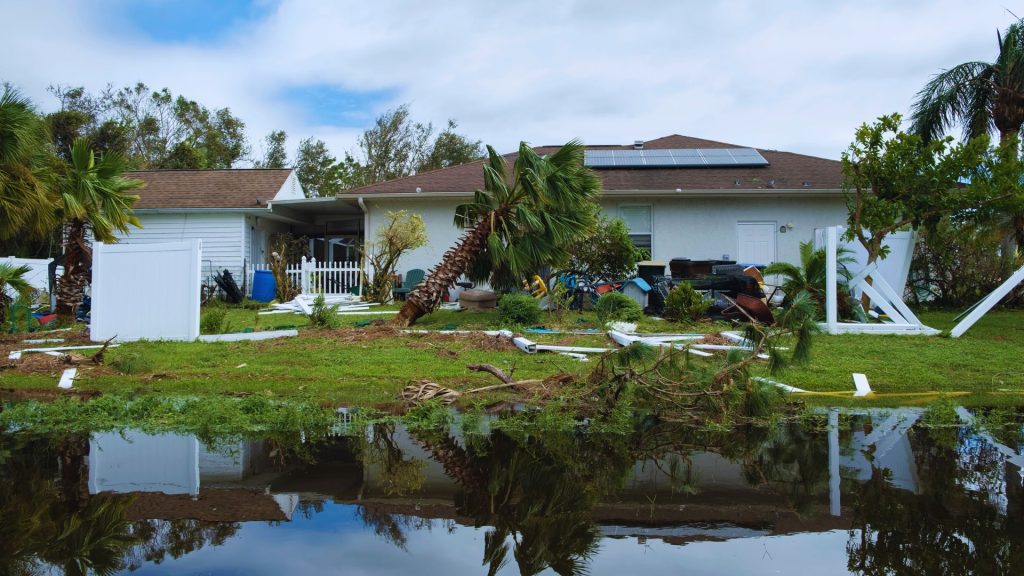
Hurricanes can cause:
- Structural damage from high winds
- Roof failures and water intrusion
- Flooding and foundation issues
- Electrical system failures
- Damage to seawalls and docks
- Mechanical equipment loss
- Mold growth after water exposure
- Business interruptions and operational downtime
Many property owners wait until a storm is already approaching before taking action. Unfortunately, emergency repairs and last-minute inspections can become difficult due to contractor demand, limited resources, and weather conditions.
The best time to prepare your property is before hurricane season intensifies.
Critical Areas Every Property Owner Should Evaluate
1. Structural Integrity
One of the most important steps in hurricane preparation is evaluating the structural condition of the property.
Over time, buildings can develop hidden weaknesses caused by moisture intrusion, corrosion, settlement, aging materials, or previous storm exposure. During a hurricane, these weak points can become major failures.
Professional structural evaluations can help identify:
- Cracks in walls or foundations
- Roof framing concerns
- Deteriorated structural components
- Gutter and downspout systems that are not effectively directing water away from the structure
- Water intrusion vulnerabilities
- Balcony and exterior slab issues
- Wind resistance concerns
- Signs of corrosion in coastal environments
While not every concern requires a professional evaluation, property owners can often identify early warning signs through a careful visual inspection. Pay particular attention to cracks in walls, foundations, balconies, and other structural elements, especially cracks that appear new or have widened over time. Identifying these conditions early may help uncover a weakened or potentially failing structural member before it is subjected to hurricane-force winds. If a structural deficiency is found, there may still be time to complete a repair or temporarily support and stabilize the affected area before a storm arrives. If you see a crack or other structural condition that concerns you, contact NOHMIS. We can inspect the condition, determine whether it presents a structural concern, and recommend an appropriate repair or temporary stabilization measure when needed.
2. Roof and Building Envelope Protection
Your roof is your property’s first line of defense during severe weather.
Loose roofing materials, aging membranes, damaged flashing, and poor drainage can lead to significant water intrusion during a storm. Even minor roof vulnerabilities can create major interior damage once hurricane-force winds begin.
Property owners should evaluate:
- Roof condition and age
- Drainage systems
- Waterproofing integrity
- Exterior wall conditions
- Window and door performance
- Hurricane-resistant upgrades
- Roof drains and scuppers
Commercial facilities especially benefit from proactive inspections because even small leaks can interrupt operations, damage inventory, and create safety concerns.
If you would like a professional opinion on the condition of your roof, visit our Preferred Partners page to find qualified roofing contractors who can perform an inspection and recommend repairs before hurricane season intensifies.
3. Electrical and Mechanical Systems
Storm-related electrical failures can affect both safety and business continuity.
Mechanical and electrical systems should be inspected before hurricane season to ensure they are functioning properly and protected against flooding or power surges.
They should be tied down and check that the connections are solid.
Important areas to review include:
- Electrical panels
- Backup generators
- HVAC systems
- Elevators and critical equipment
- Emergency lighting systems
- Surge protection
- Drainage pumps
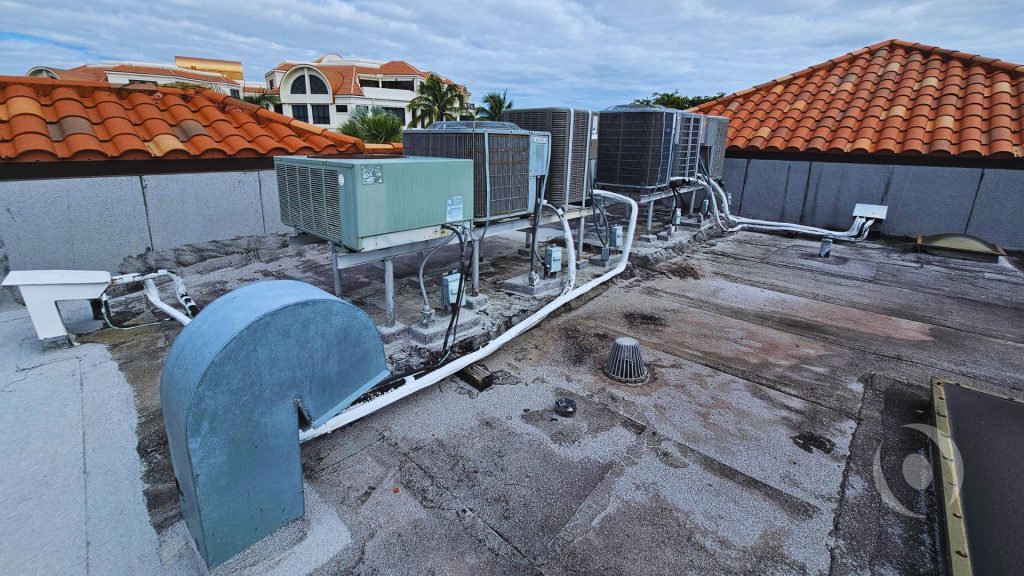
- Proper anchorage and secure connections for exterior mechanical equipment
- Fuel supplies and generator readiness for backup power systems
For commercial spaces, downtime during hurricane season can lead to significant financial losses. Preventive engineering assessments can help reduce operational disruptions.
4. Seawalls and Waterfront Structures
Many South Florida properties are located near canals, marinas, or waterfront areas. Hurricane season places additional stress on seawalls, docks, and marine structures.
A compromised seawall can lead to erosion, flooding, structural instability, and costly repairs.
Signs of seawall concerns include:
- Cracks or separation
- Soil loss behind the wall
- Leaning sections
- Corrosion and deterioration
- Sinkholes or settlement
- Dock instability
Property owners with waterfront structures should also be aware of their seawall elevation relative to anticipated flood levels. If a seawall is at or below the expected flood elevation during a storm event, there is an increased risk of overtopping, where storm surge and strong currents flow over the wall and contribute to erosion, loss of backfill, and potential seawall failure. While permanent repairs or seawall improvements may not always be feasible before an approaching storm, temporary mitigation measures can help reduce the risk. In some situations, riprap, sandbags, or similar protective materials may be placed behind the seawall and built up toward the anticipated flood elevation to provide additional resistance against overtopping. These measures can be secured with stakes or rebar for added stability, although severe storm surge and strong currents may still bypass temporary protections.
For waterfront properties with existing seawall concerns, early evaluation and preparation are especially important before hurricane season reaches its peak.
Hurricane Preparation Tips for Homeowners
Residential property owners can take several proactive steps before a storm develops.
Secure Outdoor Areas
Outdoor furniture, planters, grills, and loose debris can become dangerous projectiles during high winds. Bring loose items indoors whenever possible
Reinforce Loose Structures
Inspect fences, swing sets, storage sheds, pergolas, and exterior equipment. Any loose structures should be properly secured or reinforced before hurricane season.
Inspect Trees and Landscaping
Overgrown branches near roofs, windows, and power lines should be trimmed before hurricane season. Dead or damaged limbs should be removed to reduce the risk of storm-related damage.
Review Drainage Conditions
Ensure gutters, drains, and swales are free of debris to reduce flooding risks.
Check Windows and Doors
Inspect seals, locks, and hurricane protection systems.
Secure Mechanical Equipment
Air conditioning units, generators, and other exterior mechanical equipment should be properly anchored and protected from potential storm impacts.
Remove Temporary Hazards
Bring in outdoor furniture, grills, planters, and decorative items whenever possible. If your property includes removable pool safety fences, children’s play equipment, portable basketball hoops, shade structures, or other lightweight outdoor features, consider removing or securing them before a major storm.
Document Your Property
Take current photos and videos of your property’s exterior, interior, roof, landscaping, and valuable assets. Having updated documentation can be extremely helpful if an insurance claim becomes necessary after a storm. Store copies in a secure cloud location so they remain accessible after a storm.
Schedule Professional Inspections
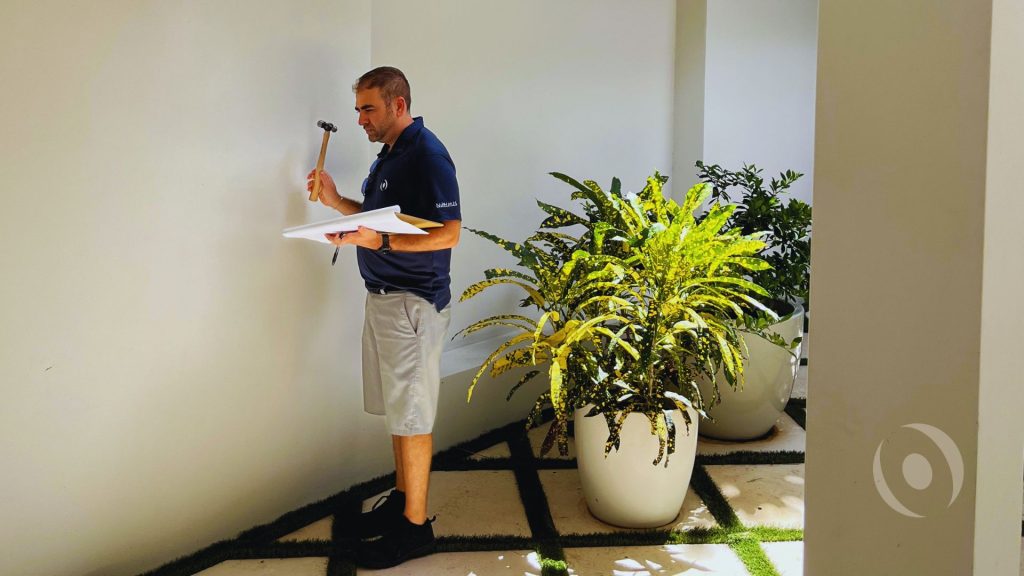
Engineering and inspection services can identify issues that are not always visible to property owners.
If You Notice a Potential Problem, Don’t Wait
If you observe structural concerns, loose building components, seawall deterioration, water intrusion, or other conditions that could worsen during a storm, it is best to address them before hurricane season intensifies. NOHMIS can provide an inspection to evaluate the condition of your property and offer repair recommendations, including temporary repair solutions that may help reduce risk and prevent further damage until permanent repairs can be completed.
Hurricane Preparation Tips for Commercial Property Owners
Commercial properties require more detailed preparation due to occupancy levels, operational needs, and liability concerns.
Develop a Facility Emergency Plan
Create evacuation procedures, communication plans, and recovery protocols.
Protect Critical Equipment
Relocate vulnerable equipment away from flood-prone areas whenever possible.
Assess Building Compliance
Older buildings may not meet current hurricane resistance standards.
Review Insurance Documentation
Document property conditions and maintain updated records before hurricane season.
Conduct Preventive Engineering Assessments
A proactive inspection can help uncover vulnerabilities before they become expensive emergency repairs.
Protect Exterior Assets
Secure outdoor seating, dumpsters, signage, fencing, storage containers, and other exterior assets that may become damaged or airborne during high winds.
The Importance of Professional Inspections Before Hurricane Season
Many storm-related failures begin with issues that could have been identified months earlier.
Professional inspections provide property owners with a clearer understanding of:
- Existing structural conditions
- Potential storm vulnerabilities
- Repair priorities
- Safety concerns
- Long-term maintenance planning
At NOHMIS, we provide engineering-based inspection services designed to help South Florida property owners make informed decisions before hurricane season peaks.
Our services include:
- Structural Engineering
- MEP Engineering
- Architectural Design
- Property Inspections
- Seawall and Dock Engineering
Because every property is different, preparation strategies should be customized to the building’s age, location, construction type, and exposure level.
Hurricane Resilience Starts Before the Storm
One of the hardest parts about hurricane season is that no one truly knows which storm will become the next major event for South Florida.
Some years pass quietly. Others leave lasting impacts on homes, businesses, and entire communities.
That uncertainty is exactly why early preparation matters.
When property owners wait until a storm is already approaching, inspections, repairs, and evaluations often become harder to schedule. Materials may become limited. Contractors become overloaded. Small issues that could have been addressed calmly and proactively suddenly become urgent.
Preparing early creates options. It allows you to identify concerns before they become emergencies and gives you time to make informed decisions without the pressure of an approaching storm.
South Florida hurricane season is unpredictable, but thoughtful preparation can make a meaningful difference when severe weather arrives.
If you own a residential or commercial property in South Florida, now is the right time to evaluate your building’s condition and prepare for the months ahead.
Prepare with Confidence This Hurricane Season
Hurricane preparation is ultimately about protecting the people, businesses, and investments that matter most.
For South Florida property owners, taking action early can help reduce stress, minimize potential damage, and avoid rushed decisions once a storm is already approaching. Even small improvements or evaluations completed ahead of time can make a meaningful difference during severe weather.
NOHMIS provides full-service Architecture, Structural & MEP Engineering for residential, commercial, and waterfront properties throughout South Florida. Our team helps property owners evaluate existing conditions, identify potential vulnerabilities, and support long-term resilience through thoughtful engineering and design solutions.
Whether you are preparing a home, commercial building, marina property, or aging structure for hurricane season, proactive planning today can help create greater peace of mind tomorrow.
If you have concerns about your property’s condition before hurricane season intensifies, this is the right time to schedule an evaluation and better understand how prepared your property truly is.
Grab our free printable Hurricane Preparedness Checklist, with everything you need to secure your home and family in one page. >>> DOWNLOAD THE CHECKLIST
Contact:
NOHMIS Design, Engineering & Inspections
2195 N. Powerline Rd, Suite 2
Pompano Beach, FL 33069
+1 954-591-8361
Services@NOHMIS.com
www.nohmis.com