From Flood Zone to Finished: A Miami-Dade Home Addition Done Right
Project: Single-Family Residential Addition with Full Engineering Design
Location: Miami Gardens
Size: 635 SF Addition | Single-Family Residence | Existing Structure 1,181 SF
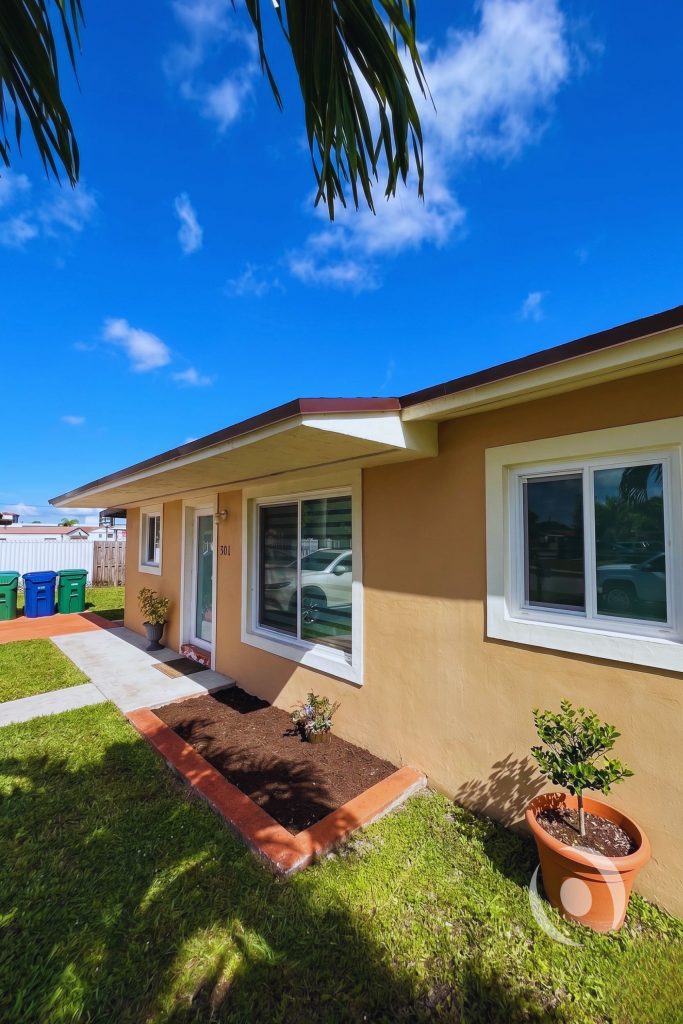
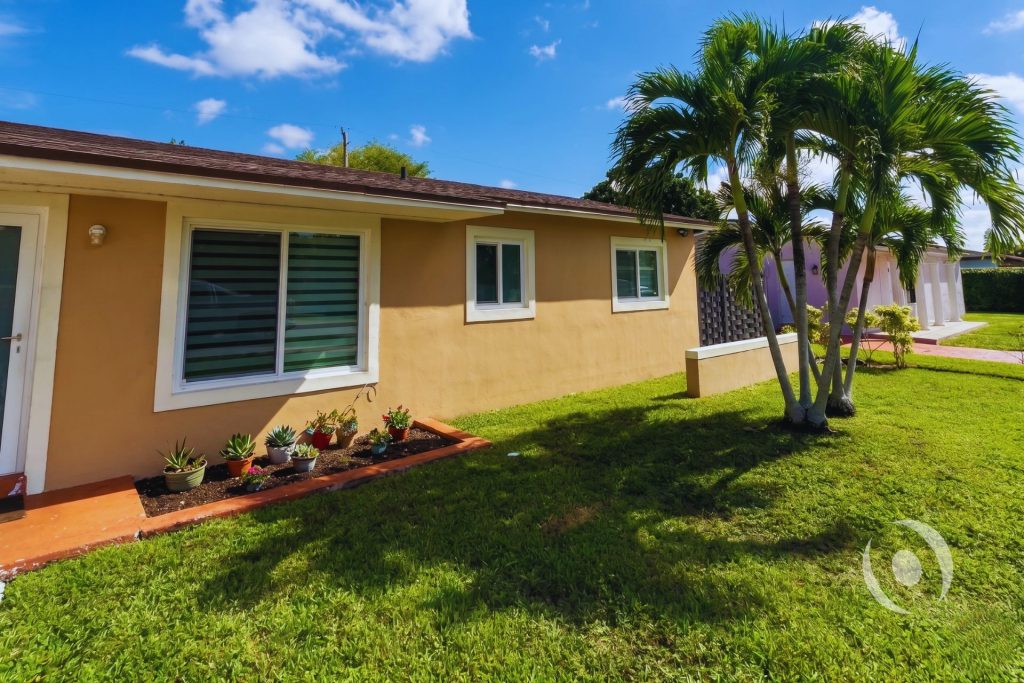
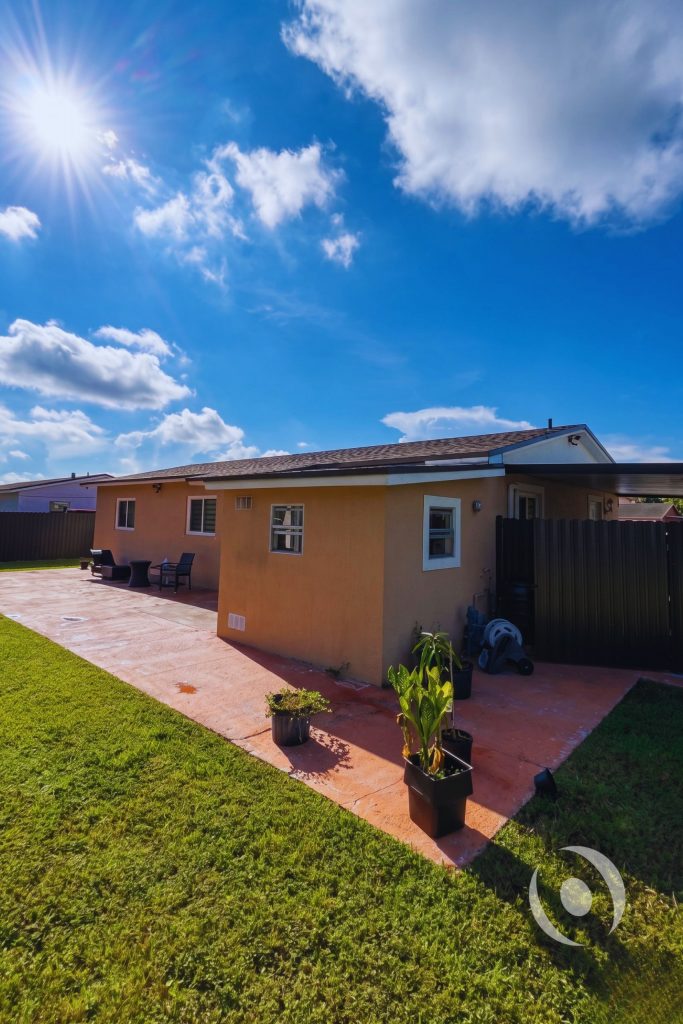
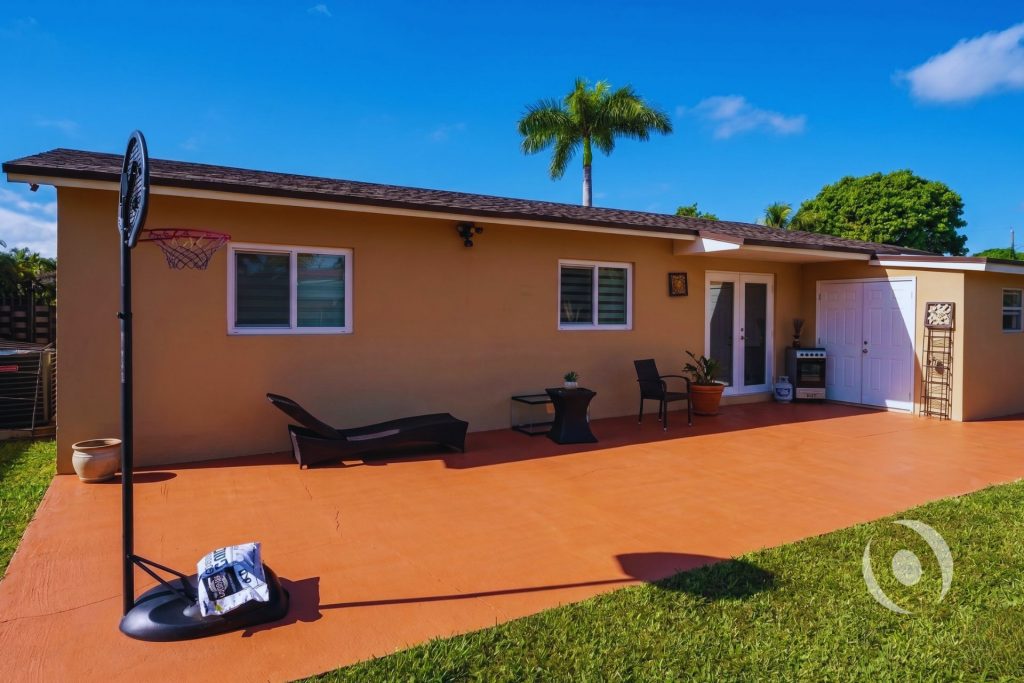
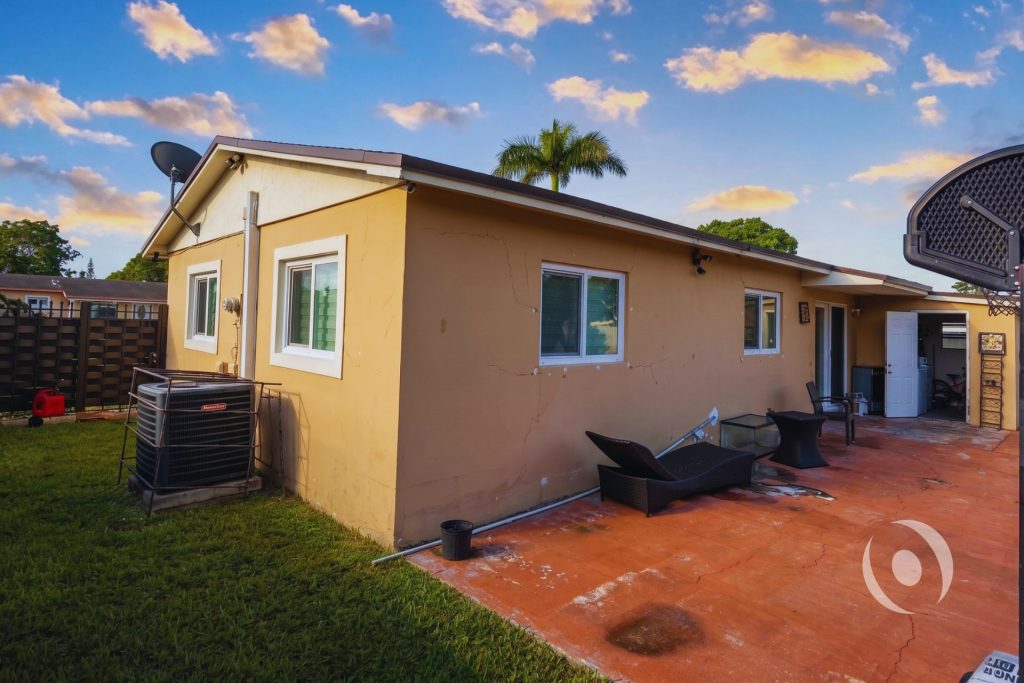
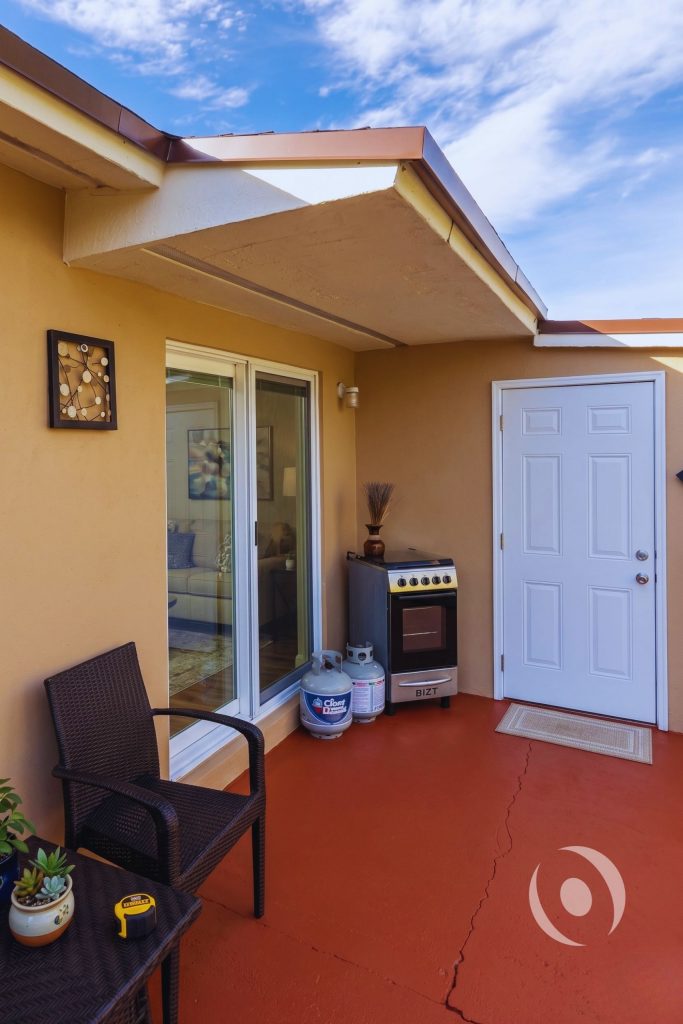
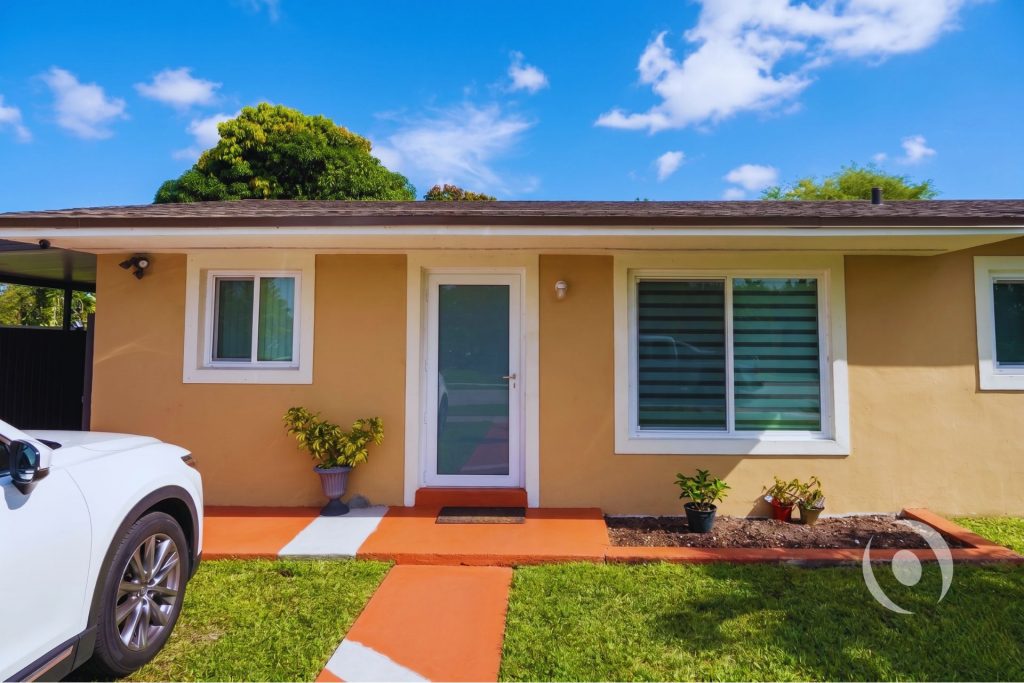
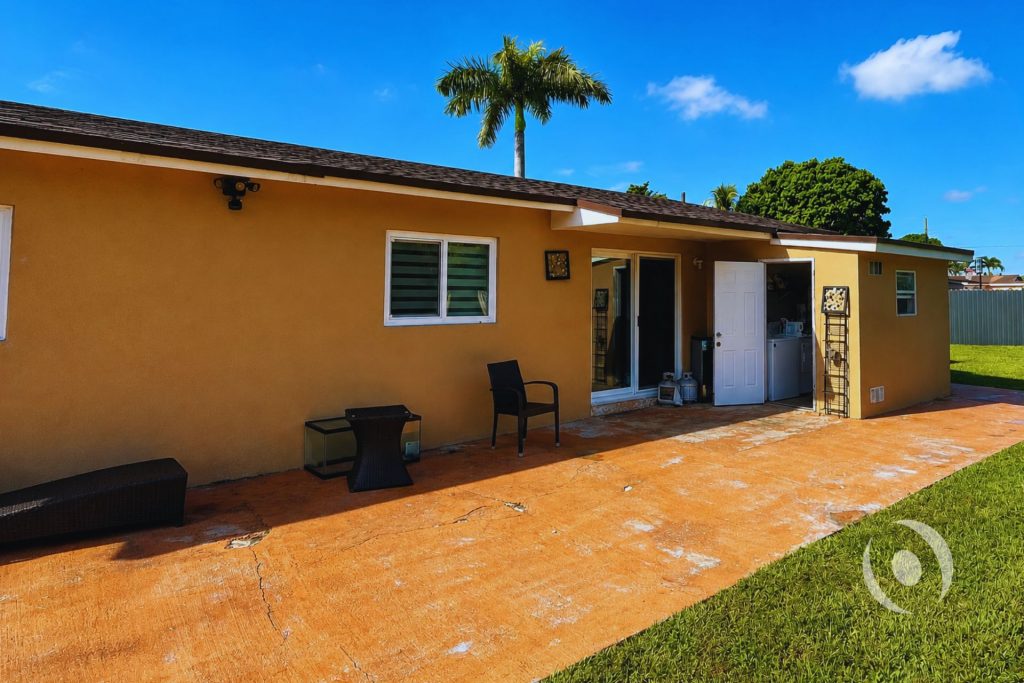
Some homes hold more than memories. They hold generations. This single-family home in Miami Gardens was one of them, and when the owners decided it was time to grow, they didn’t want just more square footage. They wanted a space that felt intentional, built with care, and engineered to last. What started as a vision became a fully realized residential addition in Miami-Dade County, designed and engineered from the ground up with every discipline working in step with each other.
Building on What Already Stood
Before a single line was drawn, our team understood what was already there. The existing home sat in a regulated flood zone, which shaped every decision that followed. The finished floor elevation wasn’t just a number on a plan. It was the foundation of every architectural, structural, and MEP choice made throughout the entire design. That kind of thinking, where one discipline informs the next, is what separates a coordinated engineering firm in South Florida from a collection of consultants working in isolation.
Designed With Purpose, Engineered With Precision
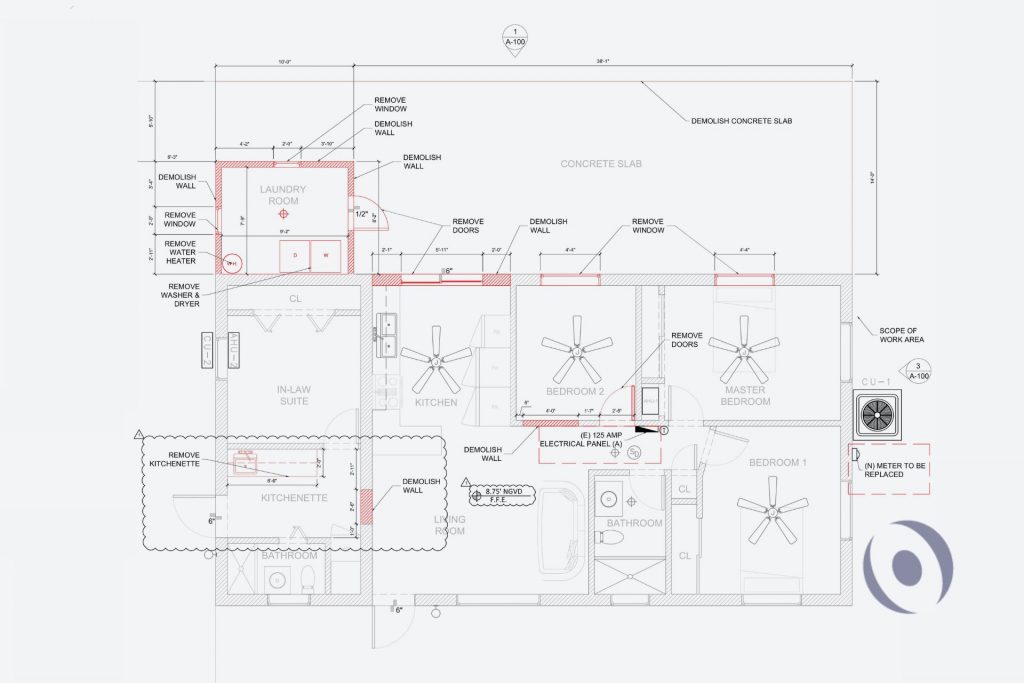
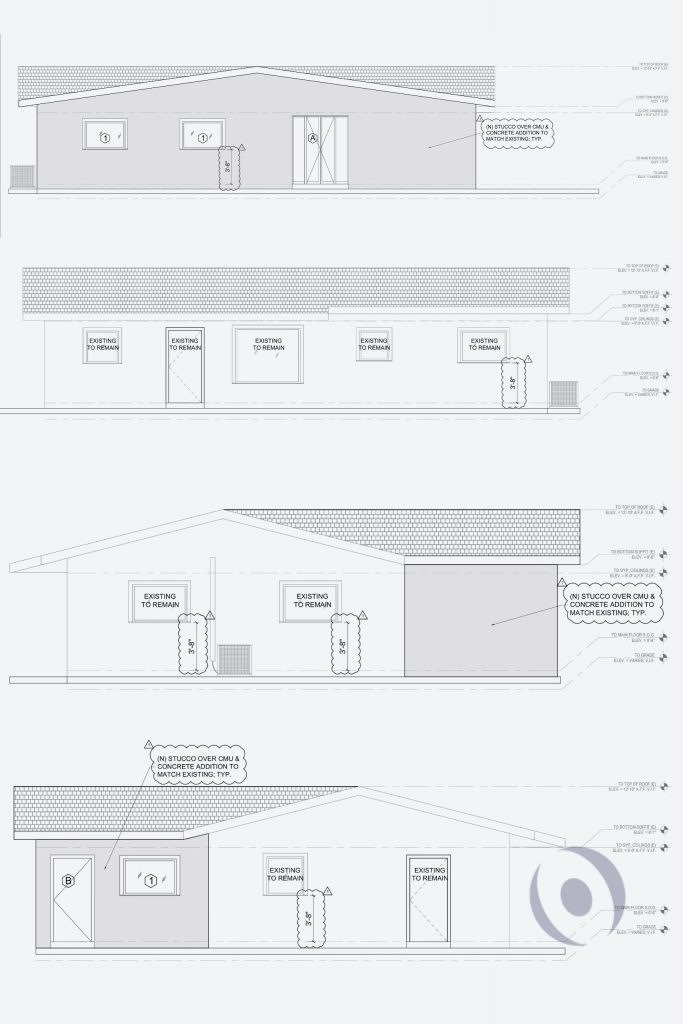
The architectural design opened with a clear picture of what the owners needed: a new master bathroom with a toilet, shower, and dual sinks, a private suite that connected meaningfully to the rest of the home, and a layout that felt like it had always belonged there. A partial wall removal became the quiet move that tied old and new together, creating a natural flow between the existing living space and the addition. Egress windows were positioned thoughtfully at each bedroom, exterior landings were detailed for both safety and ease of use, and every element was drawn to be buildable, not just approvable.
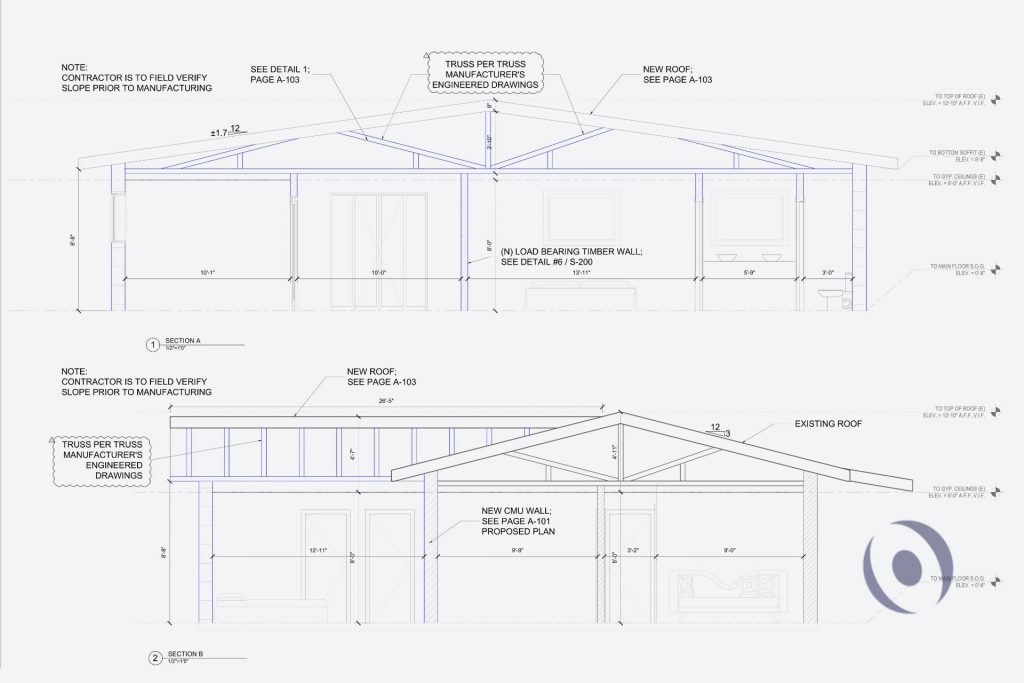
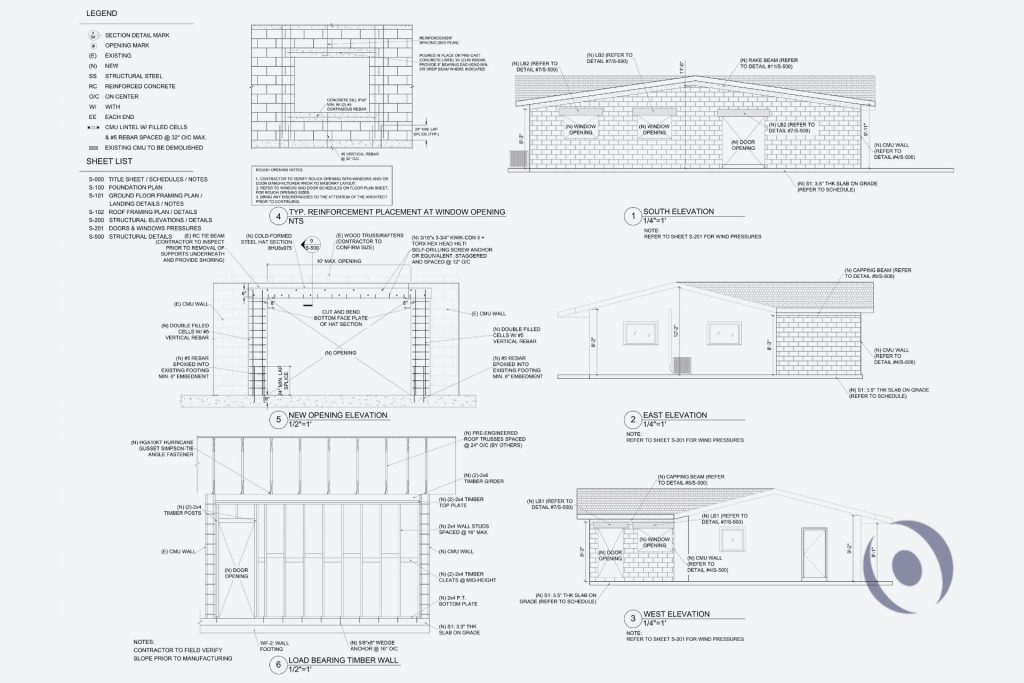
With the architectural vision set, our structural engineers got to work on what would hold it all up. In South Florida, structural design is never a formality. Every wall, every footing, every beam carries the weight of a region that demands its buildings stand up to nature at its most forceful. New reinforced concrete wall footings were designed on properly compacted soil, heavily reinforced concrete block walls rose to meet the wind loads calculated for every opening, and concrete lintel beams were sized precisely to carry what sat above them. Starter columns anchored the foundation transitions, and the roof framing plan was detailed with truss reactions and strap fasteners that gave the truss engineer a clear path forward. Wind pressure was documented on every door and window because in this climate, that documentation is not optional. It is the difference between a plan that gets built and a plan that gets sent back.
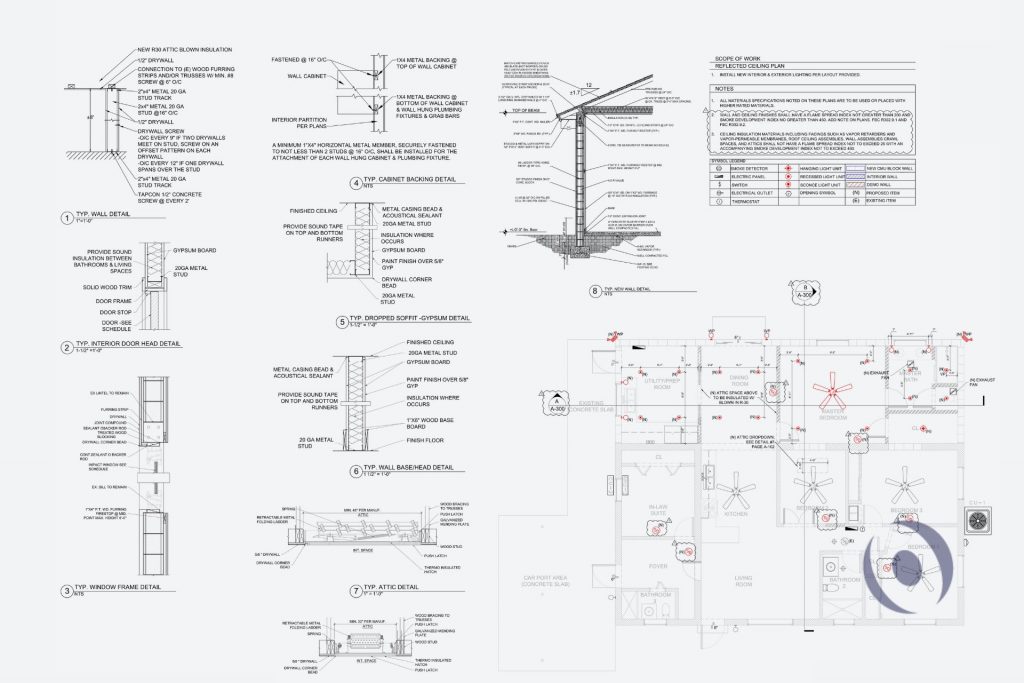
Once the bones were set, the MEP engineering brought the addition to life. The electrical design started where it had to, at the service, with a full upgrade and a dedicated subpanel that gave the new addition its own clean source of power. From there, the design worked outward: LED recessed lighting placed to make each room feel considered, exterior lighting with sensors for safety and ambiance, GFCI protection where water and electricity meet, and arc-fault circuits that protect the people who will live there. Smoke detectors were positioned across both the new and existing structure so the whole home was covered, not just the new part.
The plumbing design carried that same sense of completeness. New sanitary and supply lines were routed to serve the addition without compromising what already existed, and the master bathroom was designed as a fully realized space, not an afterthought. A high-efficiency gas tankless water heater was specified to serve the home’s growing demand, with a gas plan and load calculation that accounted for both the water heater and a future gas dryer. Every pipe, every connection, every fixture had a reason for being exactly where it was placed.
The mechanical design closed the loop. A full Florida Energy Code compliance report was produced for the entire conditioned area of the home, treating the existing structure and the new addition as one unified system. Insulation levels, window performance, and a dual cooling system were all calibrated together so the home would stay comfortable, efficient, and code-compliant long after the last contractor left the site.
The Outcome: A Home That Grew Without Missing a Beat
When the final home addition construction documents were delivered, they told a complete story. Every discipline answered to the one beside it. The architect’s decisions informed the structural design. The structural system shaped how MEP systems were routed. The energy model reflected every material choice made from the very first drawing. Nothing was designed in a silo, and nothing was left for the contractor to interpret.
Good engineering isn’t just about what gets approved. It’s about what gets built, how well it works, and how long it lasts. If your next project deserves that kind of attention, reach out to NOHMIS at www.nohmis.com.


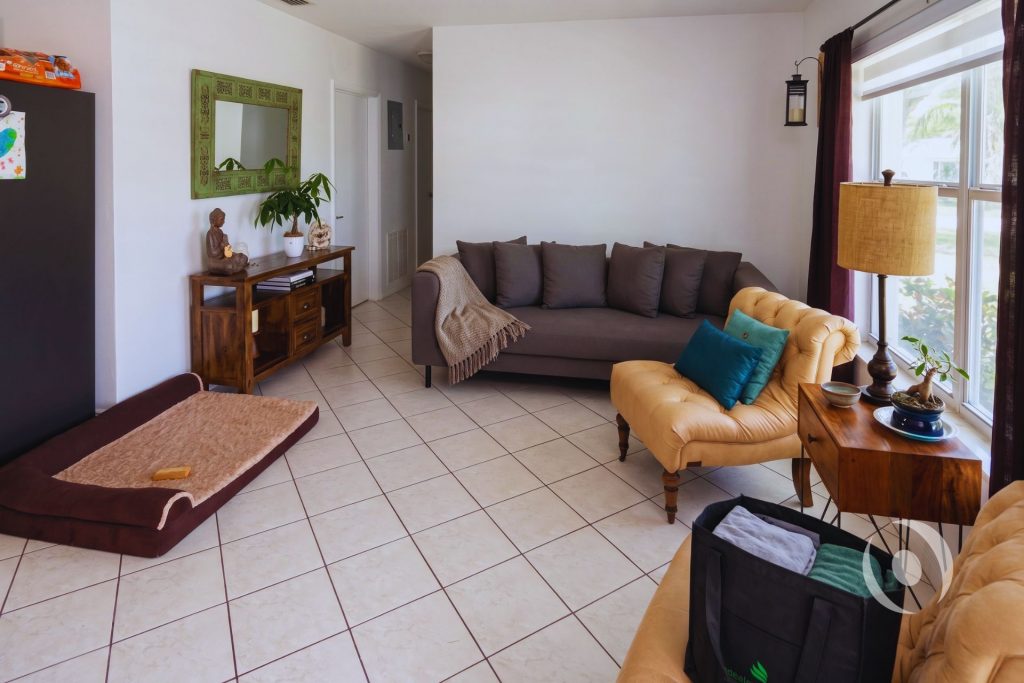
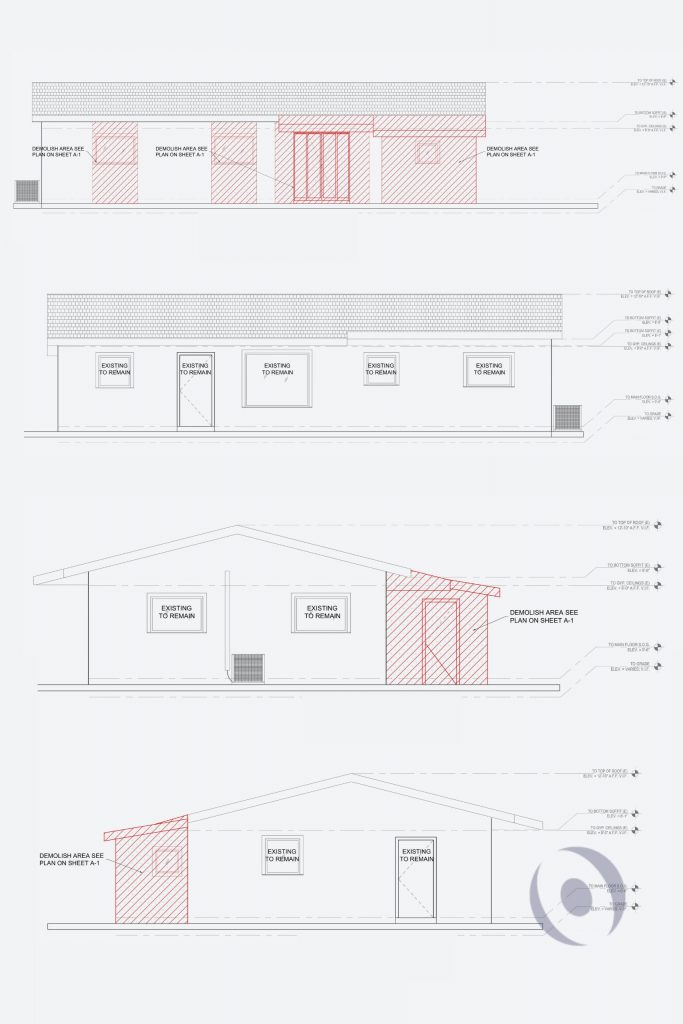
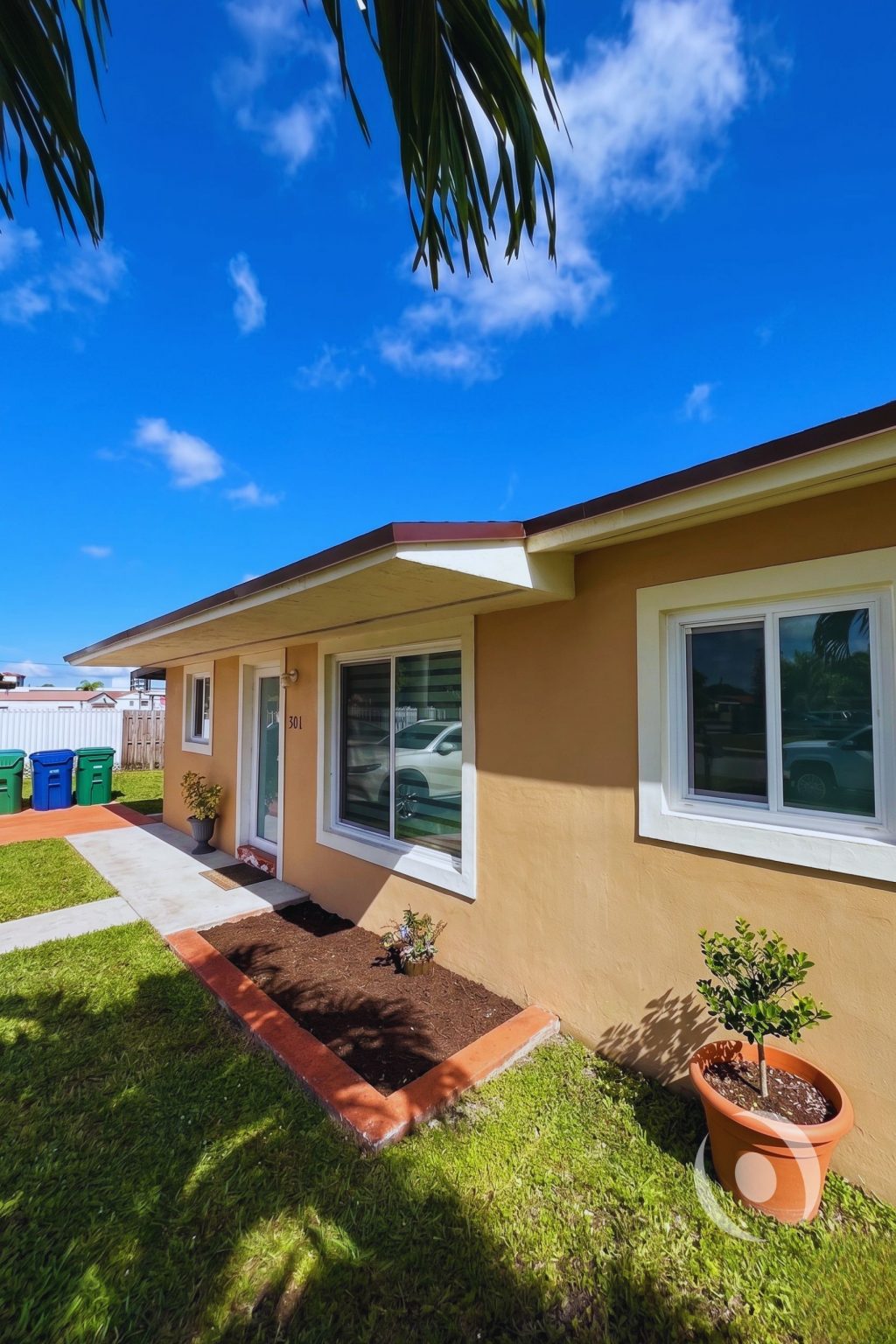
Interior living area of completed home addition in Miami-Dade County showing open floor plan, large windows for natural light, and tile flooring designed by NOHMIS South Florida Elevation Plan